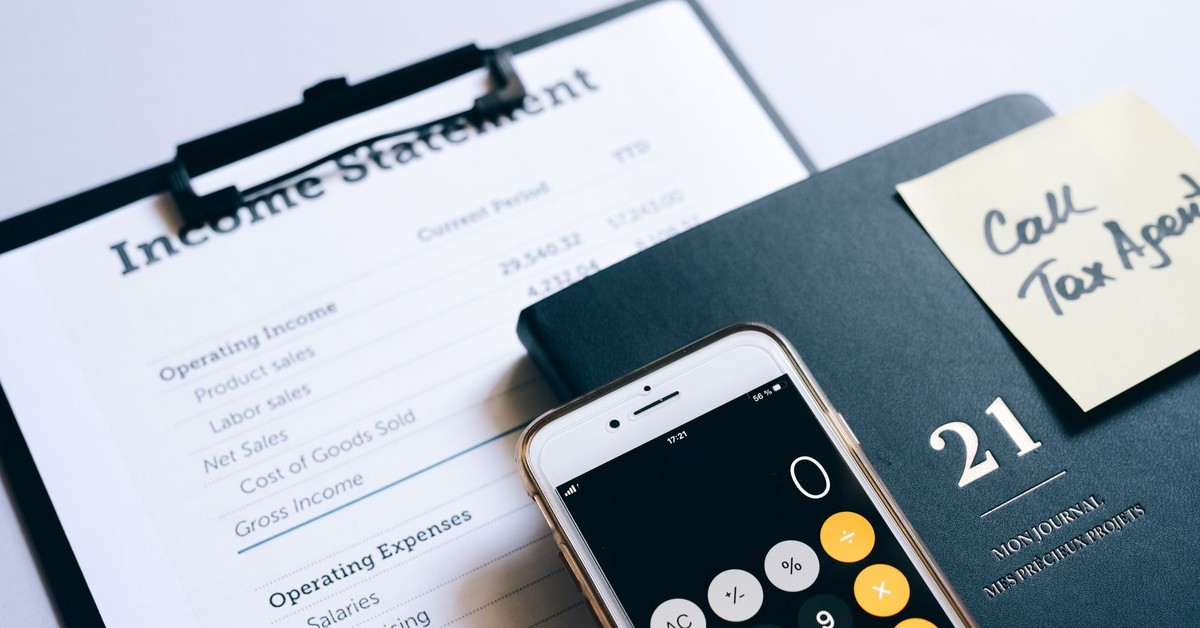
A nonprofit CPA gives your organization professional financial help from someone who understands the complicated rules nonprofits have to follow. From clean books to compliance to accurate reporting, they keep your finances in order and your organization protected.
For many nonprofits, that fills a gap the team can't cover on its own.
Here's everything you need to know about what a nonprofit CPA does and how to tell whether one is the right fit for your organization.
A CPA, or certified public accountant, is a licensed accountant who has passed a rigorous exam and met strict education and experience requirements. Not every accountant is a CPA, and the license signals a higher level of training and accountability.
A nonprofit CPA is a CPA who focuses on nonprofit finances. Nonprofits follow a different set of accounting rules than businesses do, from tracking restricted funds to filing Form 990 and other financial statements, and a nonprofit CPA knows those rules inside and out.
That specialization is a big deal, because most small nonprofits don't have a trained finance person on staff. Accounting often lands on a program manager or the executive director, who already has a full plate.
A nonprofit CPA gives you that expertise without adding another position to your payroll.
A nonprofit CPA covers the financial work your organization needs to stay accurate, compliant, and ready for scrutiny. Let's take a closer look at the main areas they handle.
Bookkeeping is the day-to-day work of recording every dollar that comes in and goes out. It sounds simple, but for a nonprofit it gets complicated fast, since money often has to be tracked by fund, program, and grant.
A nonprofit CPA keeps your books accurate and up to date, so your records always reflect where your money is and where it came from. Clean books are the foundation for everything else, because you can't file a correct return, pass an audit, or plan if the numbers underneath are wrong.
Nonprofits answer to the IRS, their state, and their funders, and each one has its own reporting rules. A nonprofit CPA makes sure you meet all of them.
That includes filing your annual Form 990, following the accounting standards that apply to nonprofits, and keeping up with state charitable registration where it's required. They also produce the financial statements your board and funders need, recorded and presented the right way.
Getting this wrong can cost you penalties, funding, or your tax-exempt status, so having someone who knows the rules keeps you safe.
Learn more about nonprofit revenue recognition.
Some nonprofits need more than a set of clean books and a filed return. They need someone to run the whole accounting function, and that's where controller and outsourced accounting services come in.
In this role, a nonprofit CPA acts as your accounting department. They oversee your bookkeeping, close each month, build your reports, and put systems in place that keep your finances running on clean processes.
You get a full accounting operation for less than the cost of building one in-house.
Most nonprofits reach a point where their finances outgrow what the current team can handle. Here are five signs it's time to bring in a nonprofit CPA:
If one or more of these sounds familiar, your organization has likely grown past what an untrained hand can support. A nonprofit CPA gives you the expertise to steady your finances and move forward with confidence.
Not every CPA is the right fit for a nonprofit, and the wrong one can cost you time, money, and peace of mind. Here's what to look for when you're deciding who to trust with your organization's finances.
The first thing to check is whether the CPA has worked with nonprofits before, and not just a handful of them. Nonprofit accounting deals with rules that most business accountants know very little about, including fund accounting, restricted grants, and Form 990.
A generalist CPA can be excellent at what they do and still miss important details because they don't understand nonprofit organizations. Look for someone who knows nonprofit finances specifically, so they can track your funds correctly and keep you compliant.
A good nonprofit CPA offers the level of service your organization needs, no more and no less. A small nonprofit with one program and a few grants has different needs than a growing organization juggling multiple funders and a larger budget.
When hiring, ask how they scope their work and whether they can adjust as your organization changes.
Your CPA can produce flawless numbers, but if you can't understand them, they aren't much help. A good nonprofit CPA explains your finances in plain language, so you and your board always know where you stand.
This matters for reporting, too. Look for someone who gives you clean, consistent financial statements on a predictable schedule, along with a summary of what the figures mean for your organization. Clear communication keeps your whole team on the same page and helps your board make decisions with confidence.
The best nonprofit CPAs are upfront about the limits of their work. No single firm does everything, and a CPA claiming otherwise is often a warning sign.
For example, the firm that keeps your books usually can't also perform your independent audit, since that has to come from a separate, unbiased firm. A good CPA will tell you that plainly and point you toward an outside auditor when you need one. The same goes for specialized tax work.
Nonprofits often get lost at big accounting firms, treated as one more account in a stack of hundreds. A good nonprofit CPA gives you the attention your organization deserves.
That means a professional relationship with someone who knows your organization, funders, and goals, not a rotating cast of names you never meet. Personalized attention leads to better advice and faster answers, especially with a CPA specializing in nonprofits because they understand the full picture.
A good nonprofit CPA gives you accurate books, solid compliance, and clear reporting. What's even more important is that they become a partner who keeps your organization steady and your board informed.
Complete Balance Accounting & Consulting is an experienced CPA serving nonprofits in the Philadelphia and Cherry Hill, NJ area, pairing big-firm expertise with the personalized attention of a boutique practice.
If your nonprofit is ready for cleaner books and clearer reporting, contact us so we can become your strategic partner.